
Big ideas, real impact.
Grand Barr Dairy Case
Nyssa, Oregon (2026)
The Grand Barr Dairy case involves allegations of widespread animal neglect at a goat dairy near Nyssa, Oregon, owned by Taunia Barr and Aaron Barr. The case began after a former employee raised concerns in 2025 about the health and treatment of goats at the facility. PETA subsequently conducted two undercover investigations and provided evidence to authorities alleging that goats suffered from severe health problems including emaciation, untreated abscesses, overgrown hooves, lameness, parasites, and other debilitating conditions. (Idaho Statesman)
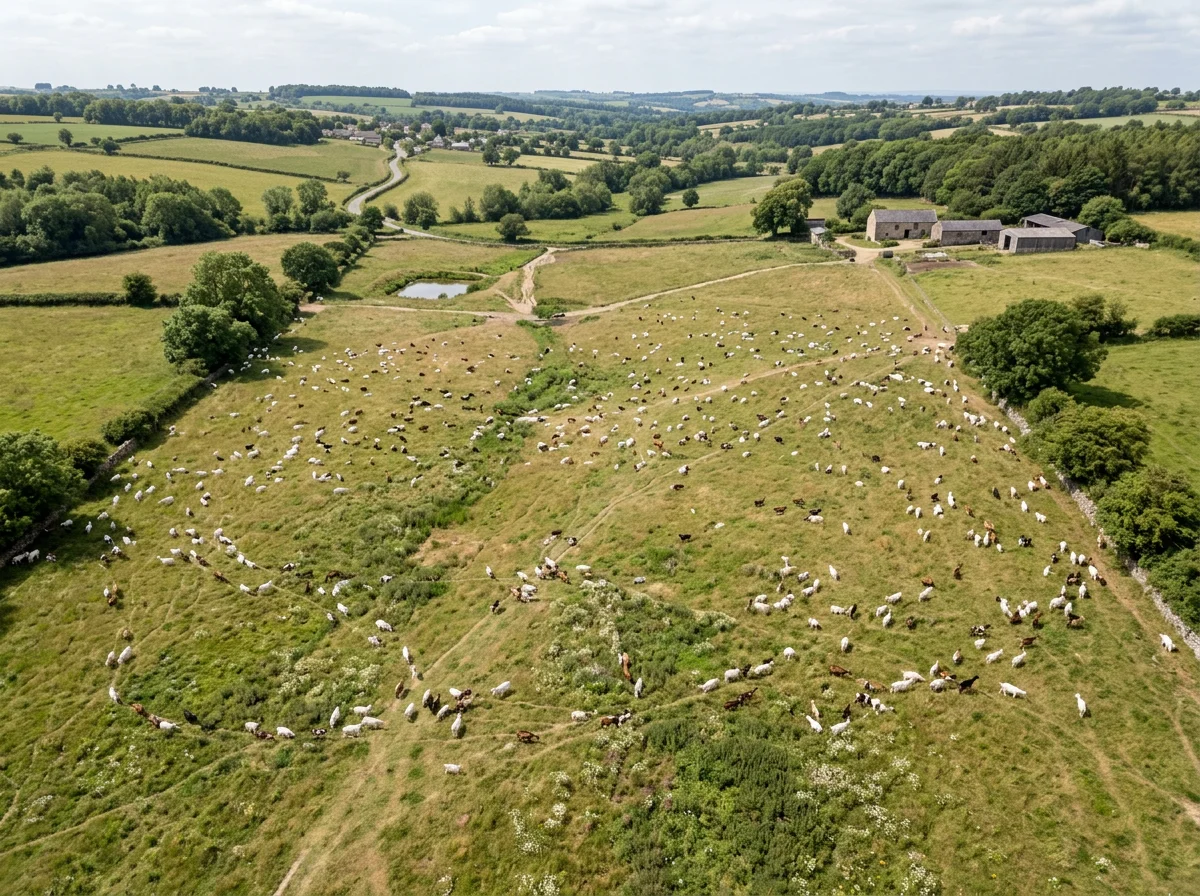
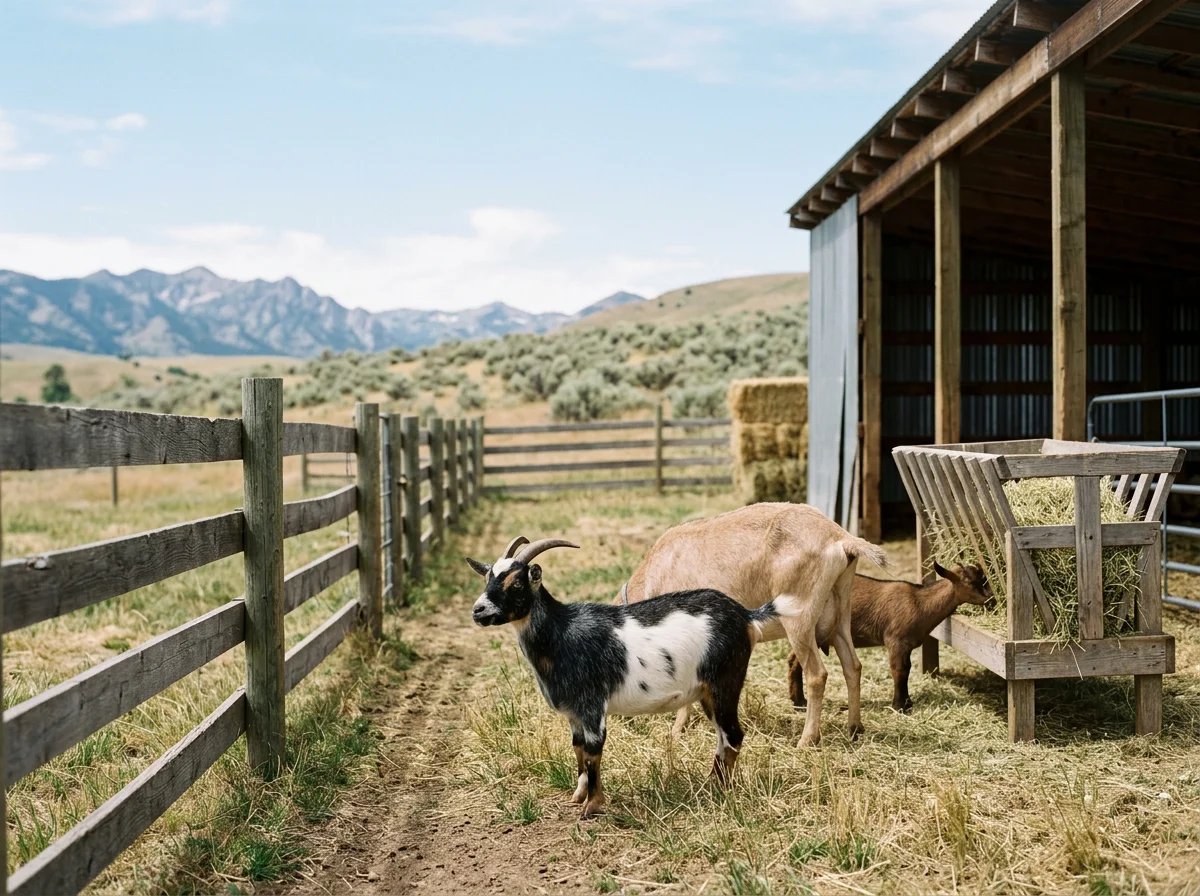
In February 2026, the Malheur County Sheriff’s Office seized 239 goats from Grand Barr Dairy pursuant to a seizure warrant. Three goats were euthanized because of the severity of their conditions, while the others were placed in veterinary care or relocated. Sheriff Travis Johnson later said authorities had previously made recommendations to the dairy to address problems but that those recommendations were not acted upon, ultimately leading to the seizure. (Idaho Statesman)
A Malheur County grand jury subsequently indicted Taunia and Aaron Barr on hundreds of criminal animal-neglect charges. Contemporary court reporting stated that each faced 239 felony animal-neglect counts, along with misdemeanor animal-neglect charges. The prosecution has involved the Malheur County District Attorney's Office and the Oregon Department of Justice. The charges remain allegations unless and until established through the judicial process. (Idaho Statesman)
The case also raised questions about earlier regulatory oversight. Records obtained from the Oregon Department of Agriculture reportedly showed repeated sanitation violations and failed milk tests at Grand Barr Dairy before the 2026 seizure, including a suspension of its Grade A shipping license in 2025. (PETA)
By July 2026, Grand Barr Dairy had shut down, and the remaining 97 seized goats were transferred to the Humane Farming Sanctuary's Suwanna Ranch in California. A judge had previously ordered the seized goats forfeited to Malheur County. (PETA)
Why the case is significant: It illustrates how reports of suspected animal neglect can move through multiple layers—employees, advocacy organizations, local law enforcement, agricultural regulators and prosecutors—before animals are ultimately removed. Given the animal-protection legislation you're developing, the case could be presented as an example of the broader debate over enforcement speed, agency responsibility, regulatory oversight and intervention standards in large-scale animal-neglect cases.